
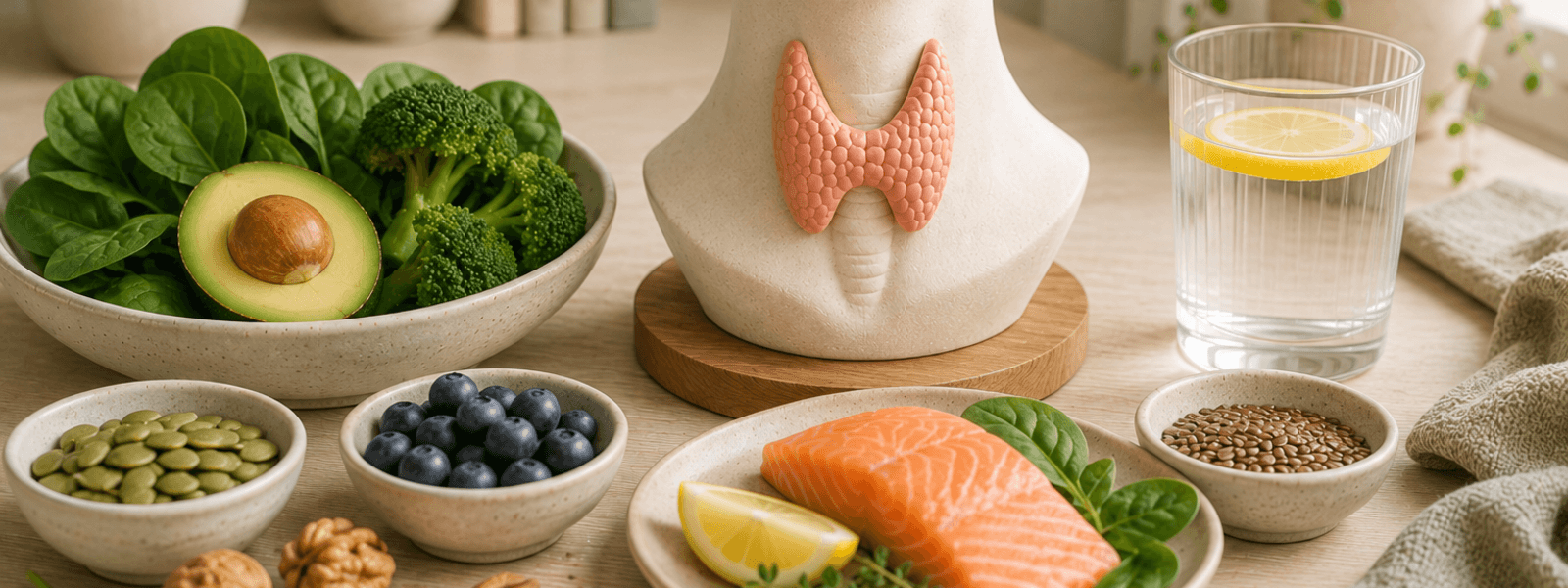
Hypothyroidism Nutrition in Basildon
Nutritional Support for Hypothyroidism
Get a Free Quote From Us Today!
We aim to get back to you in 24 hours.
If you are looking for hypothyroidism nutrition support in Basildon, we provide personalised guidance to help you understand your diet and make informed, practical changes to the way you eat.
Nutrition advice for an underactive thyroid can quickly become confusing. Iodine, selenium, iron, vitamin D, gluten, dairy and supplements are regularly discussed, often with conflicting recommendations.
Our approach starts with something much simpler: your current diet.
By looking at what you actually eat, your dietary preferences, routine and goals, we can identify areas where your nutrition could be improved without automatically introducing unnecessary restrictions.
Get a Free No Obligation Quotation Today
Personalised Hypothyroidism Nutrition in Basildon
Hypothyroidism occurs when the thyroid gland doesn't produce enough thyroid hormones. Symptoms can include tiredness, feeling cold, weight gain, constipation and difficulty concentrating, although symptoms vary between individuals.
Medical treatment and nutrition have different roles.
Hypothyroidism is usually treated medically with thyroid hormone replacement, most commonly levothyroxine. Nutrition support doesn't replace that treatment.
Instead, we focus on helping you build an appropriate overall diet alongside your medical care.
Support can include:
- Assessing your current eating pattern
- Improving dietary variety
- Protein and fibre intake
- Meal composition
- Weight-management nutrition
- Understanding iodine
- Selenium and zinc intake
- Iron and vitamin considerations
- Reviewing dietary restrictions
- Vegetarian and vegan nutrition
- Supplement awareness
- Food and levothyroxine timing
- Practical meal planning
Start With Your Current Diet
Before deciding what needs changing, it's useful to understand what you're already doing.
A nutritional review can look at the types of foods you regularly eat, how your meals are structured and whether your diet provides sufficient variety.
For example, somebody who eats fish, eggs and dairy may have very different nutritional considerations from somebody following a vegan diet.
Likewise, someone who has already removed gluten and dairy may require a different approach from somebody who eats an unrestricted diet.
This is why we don't start with the same checklist for everybody.
We start with you.
Is There a Specific Diet for Hypothyroidism?
No single diet has been established as the diet everybody with hypothyroidism should follow.
The British Thyroid Foundation states that there is no specific “thyroid diet” recommended following diagnosis and instead emphasises eating an appropriate balance and variety of foods.
That means nutritional support isn't about discovering a secret combination of thyroid-friendly foods.
It's about ensuring your overall eating pattern provides appropriate nutrition and works within your lifestyle.
Nutrients and Hypothyroidism
Certain nutrients receive particular attention because of their relationship with normal thyroid function.
However, the fact that a nutrient is important doesn't mean taking additional amounts will necessarily be beneficial.
This distinction is important.
Our approach looks at nutrients in the context of your whole diet, rather than automatically recommending supplements.
Iodine
Iodine is needed for normal thyroid hormone production.
Dietary sources can include fish, milk and eggs. People excluding these foods may therefore have different dietary considerations.
However, having hypothyroidism doesn't automatically mean you need additional iodine.
The British Thyroid Foundation specifically advises people with existing thyroid conditions to avoid iodine and kelp supplements because they may contain excessive or variable amounts of iodine that can worsen thyroid conditions.
If you're already taking a thyroid supplement, it's therefore worth checking exactly what it contains.
Selenium
Selenium is another nutrient commonly associated with thyroid health.
It can be obtained naturally through the diet, and supplements are widely marketed towards people with thyroid conditions.
However, excessive intake isn't beneficial simply because selenium has a role in thyroid hormone metabolism.
The British Thyroid Foundation cautions against high-dose supplementation unless advised by a doctor.
We can consider your food and supplement intake together rather than looking at individual nutrients in isolation.
Iron, Zinc and Vitamin D
Iron, zinc and vitamin D are also frequently discussed in relation to hypothyroidism.
Whether any particular nutrient deserves additional attention depends on your diet and individual circumstances.
For example, somebody eating a varied omnivorous diet may have a completely different nutritional profile from somebody following a restrictive plant-based diet.
Rather than assuming deficiency, nutritional support can help identify where your dietary intake could potentially be improved.
Suspected deficiencies should be appropriately investigated by a healthcare professional rather than diagnosed from symptoms alone.
Hypothyroidism and Protein
Protein is an important part of a balanced diet regardless of whether you have hypothyroidism.
Sources can include:
- Fish
- Eggs
- Meat
- Dairy
- Beans
- Lentils
- Chickpeas
- Tofu and other suitable alternatives
Looking at how protein is distributed throughout your meals can be useful, particularly when weight management is one of your goals.
You don't necessarily need specialist protein products.
Often, the first step is simply understanding whether your normal meals contain an appropriate protein source.
Fibre and Your Everyday Diet
Fibre is another area worth considering when reviewing overall dietary quality.
Higher-fibre foods can include vegetables, fruit, wholegrains, oats, beans, lentils, nuts and seeds.
Instead of focusing entirely on what needs removing from your diet, we often look at what could beneficially be added.
Increasing the variety of nutritious foods can sometimes be a much more positive and sustainable approach than continually creating new restrictions.
Hypothyroidism Nutrition and Weight Management
Weight gain is a recognised symptom of an underactive thyroid.
However, managing your weight doesn't necessarily require a specialist hypothyroidism crash diet.
Once your thyroid condition is being appropriately medically managed, we can look at your wider eating pattern.
This can include:
Meal composition – what your typical meals actually contain.
Portion sizes – understanding appropriate amounts without obsessively weighing every ingredient.
Protein and fibre – considering how meals are structured.
Snacking – looking at when and why you snack.
Drinks – identifying calories or habits that can easily be overlooked.
Meal preparation – making appropriate choices easier during busy periods.
The emphasis is on an eating pattern you can maintain.
Hashimoto's and Hypothyroidism
Hashimoto's disease is the main cause of an underactive thyroid in the UK. It is an autoimmune condition in which the immune system attacks the thyroid gland.
People diagnosed with Hashimoto's often encounter even more nutritional advice than those searching generally for hypothyroidism.
Gluten-free diets, dairy-free diets, autoimmune protocols and extensive supplement programmes are frequently promoted.
We don't assume these approaches are appropriate for everyone.
Instead, your existing diet and individual circumstances should be considered before introducing significant restrictions.
Gluten and Hypothyroidism
You don't automatically need to stop eating gluten because you have hypothyroidism.
There may be individual reasons for following a gluten-free diet, including diagnosed coeliac disease.
NICE specifically recommends considering coeliac testing in people with autoimmune thyroid disease.
However, this is different from assuming everyone with hypothyroidism should eliminate gluten.
If you have already removed gluten, we can consider how your remaining diet is structured and whether you're replacing those foods appropriately.
Dairy and Hypothyroidism
Dairy is another food group frequently removed following a thyroid diagnosis.
Again, hypothyroidism itself doesn't automatically require a dairy-free diet.
Milk, yoghurt and other dairy foods can contribute protein and micronutrients.
If you choose not to consume dairy, suitable alternatives can be considered according to your wider nutritional requirements.
The important thing is understanding what disappears nutritionally when a major food group is removed.
Levothyroxine and Nutrition
Many people with hypothyroidism take levothyroxine.
How you take it can affect how well it is absorbed.
Current NHS guidance advises taking levothyroxine on an empty stomach, around 30–60 minutes before your first meal, caffeinated drink or other medicine.
Calcium and iron supplements can also interact with levothyroxine, while the British Thyroid Foundation highlights interactions involving calcium, iron and soya.
This doesn't mean these nutrients should be eliminated from your diet.
It means timing matters.
Always follow the instructions supplied with your medication and discuss uncertainties or medication changes with your doctor or pharmacist.
Reviewing Your Supplements
It's common for people with hypothyroidism to arrive with a cupboard containing several different supplements.
Perhaps you take a multivitamin alongside vitamin D, selenium, zinc or a product specifically marketed for thyroid support.
Looking at them individually doesn't always reveal the full picture.
Different supplements can contain overlapping ingredients, meaning your combined intake may be considerably higher than expected.
We can consider supplements alongside your food intake so that your overall nutritional picture is clearer.
Medical decisions about supplementation, deficiencies and medication interactions should remain with your GP, pharmacist or other appropriate healthcare professional.
Vegetarian Hypothyroidism Nutrition
A vegetarian diet can provide balanced nutrition, but removing meat and fish changes the sources from which certain nutrients are obtained.
Depending on what you eat, we may consider your intake of:
- Protein
- Iron
- Vitamin B12
- Iodine
- Selenium
- Zinc
- Vitamin D
- Omega-3 fats
The aim isn't to discourage vegetarian eating.
It's to ensure your chosen eating pattern is nutritionally well planned.
Vegan Hypothyroidism Nutrition
The same principle applies to vegan diets.
Because animal-derived foods aren't consumed, additional attention may be required around particular nutrients.
Instead of providing generic advice, we look at the foods and fortified products you actually consume.
This allows recommendations to reflect your real diet rather than simply the label attached to it.
Practical Hypothyroidism Meal Planning
Nutritional adequacy is important, but so is convenience.
A nutritionally perfect meal plan that takes hours to prepare isn't particularly useful if you work full time and dislike cooking.
Meal planning can therefore take account of:
- Your working hours
- Cooking ability
- Family meals
- Food preferences
- Budget
- Dietary restrictions
- Shopping habits
- Time available for preparation
The aim is to find meals that are both nutritionally appropriate and realistic.
Online Hypothyroidism Nutrition in Basildon
Our online service makes personalised hypothyroidism nutrition support available throughout Basildon and surrounding areas.
There's no need to travel to a clinic.
Your initial consultation can look at your current eating pattern, lifestyle, dietary restrictions, supplements and nutritional priorities.
From there, we can identify areas worth addressing and develop practical recommendations around your circumstances.
Further consultations can review your progress and make changes where appropriate.
Request a free quote
Why Choose Our Hypothyroidism Nutrition Support?
Nutrition Focused
Our approach concentrates on the nutritional considerations surrounding hypothyroidism.
Individual Assessment
We look at your actual diet rather than assuming everybody with an underactive thyroid eats the same way.
Evidence-Informed
We avoid presenting restrictive diets or supplements as cures for hypothyroidism.
Practical Recommendations
Advice needs to work within your everyday routine.
Food-First Approach
Where appropriate, we look at improving dietary sources of nutrients before simply adding more supplements.
Sustainable
The objective is to develop a balanced eating pattern you can realistically maintain.
Hypothyroidism Nutrition FAQs
What is hypothyroidism?
Hypothyroidism is an underactive thyroid. It occurs when the thyroid gland doesn't produce enough thyroid hormones for the body's needs.
Is there a specific diet for hypothyroidism?
No. There isn't one specific thyroid diet recommended for everyone diagnosed with hypothyroidism. A balanced and varied eating pattern is generally advised.
Can nutrition treat hypothyroidism?
Nutrition can support your overall diet and health but shouldn't replace medical treatment for hypothyroidism. Levothyroxine is the first-line treatment for primary hypothyroidism.
Should I take iodine for hypothyroidism?
Don't automatically take iodine supplements because you have an underactive thyroid. People taking levothyroxine for hypothyroidism generally don't need additional iodine supplementation, and excessive iodine can be problematic.
Can you help with weight management?
Yes. Nutritional support can look at your overall food intake, portions, meal structure, protein, fibre and eating habits where weight management is one of your goals.
Do I need to avoid gluten?
Not simply because you have hypothyroidism. Individual circumstances such as diagnosed coeliac disease may require a gluten-free diet.
Can you review my supplements?
Your current supplements can be considered as part of your wider nutritional intake. Questions concerning deficiencies, medication interactions or medically indicated supplementation should be discussed with an appropriate healthcare professional.
Do you provide hypothyroidism nutrition support in Basildon?
Yes. Online consultations make personalised nutritional support accessible throughout Basildon and surrounding areas.
Get Hypothyroidism Nutrition Support in Basildon
If you're looking for clearer guidance about nutrition and hypothyroidism, we can help you take a more structured approach.
Rather than starting with foods to eliminate, we'll look at what you're currently eating, identify areas where your nutritional intake could be improved and develop practical recommendations around your lifestyle.
Get in touch today to arrange your hypothyroidism nutrition consultation in Basildon.
speak with our team today
What People are Saying About Us
★★★★★
“I wanted to understand whether my diet was actually giving me the nutrients I needed. The advice was incredibly clear and helped me make sensible improvements without completely changing the foods I enjoy.”
Gemma Davies
East of England
★★★★★
“I was taking several different supplements and had no idea whether I really needed them. Going through my diet and supplement routine properly gave me a much clearer understanding of my nutrition.”
Louise Fletcher
East of England
★★★★★
“The biggest difference for me was learning how to build better-balanced meals. I’m eating a much wider variety of foods now and meal planning feels considerably easier.”
Priya Shah
East of England
★★★★★
“I’d read so much conflicting information about iodine, selenium and foods to avoid with hypothyroidism. Having everything explained in a straightforward way made nutrition feel much less complicated.”
Emily Patterson
East of England
Our Locations
Looking for our services in another area in Essex? We are proud to work nationally across the UK, allowing us to ensure we can provide our specialist Hypothyroidism Nutrition services to you.
For a full list of locations we cover in Essex, see below.